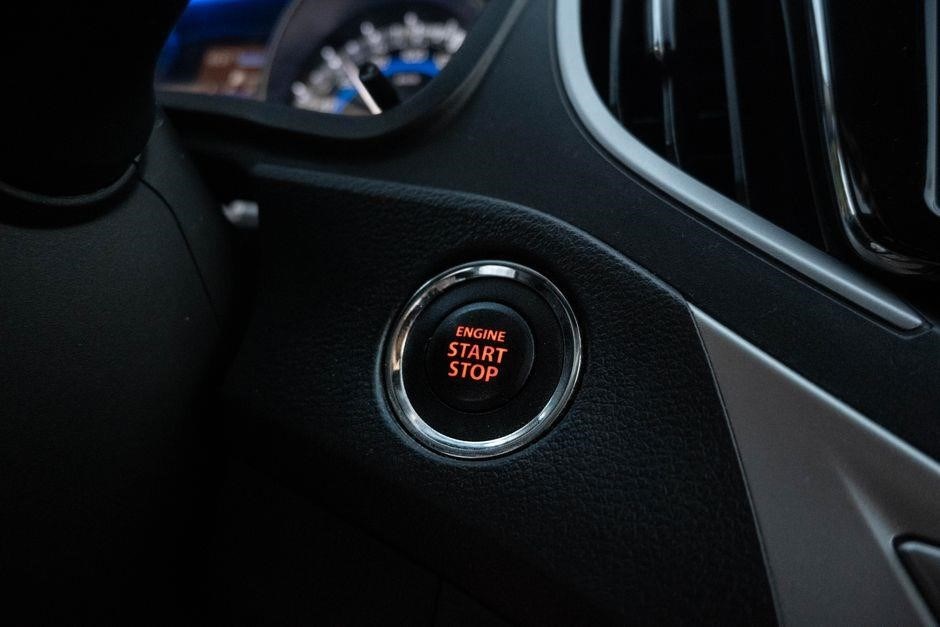
Remote start on manual cars is now feasible thanks to reservation mode, which ensures the vehicle is in neutral before ignition. Popularity grows as drivers seek convenience without sacrificing manual control. Proper kits check gear sensors and battery health to enable safe, remote starts. Certified kits!now
Why Remote Start is Popular
Remote start has surged in popularity because it delivers a blend of comfort, safety, and efficiency that modern drivers crave. The ability to warm or cool a cabin before stepping inside is especially valuable in extreme climates, reducing the need for prolonged idling and saving fuel. For busy professionals, the convenience of starting the engine from a smartphone or key fob means the vehicle is ready when they arrive, eliminating the stress of searching for a parking spot or waiting for a cold engine to warm up. Security enthusiasts appreciate the added layer of protection; a remote start can deter opportunistic theft by keeping the engine running and the vehicle alert. Additionally, many aftermarket systems now support advanced features such as engine diagnostics, battery monitoring, and even integration with smart home ecosystems, turning a simple remote start into a comprehensive vehicle management tool. The trend is also driven by the growing availability of affordable, user‑friendly kits that can be installed in a matter of minutes, making the technology accessible to a broad audience. As a result, remote start has become a standard expectation in many new vehicles, and the aftermarket continues to innovate, ensuring that even manual‑transmission owners can enjoy the same level of convenience without compromising the driving experience. Moreover, remote start systems now sync with telematics, letting owners track vehicle status, receive alerts, and schedule maintenance, turning convenience into proactive care that boosts ownership satisfaction for drivers worldwide.
Is It Possible on Manual Cars?
Yes, remote start can be installed on manual‑transmission vehicles, but it requires a reservation mode that checks the gear selector before ignition. The system must detect the car is in neutral (or park) to prevent starting while in gear. Modern kits use a neutral‑gear sensor or relay to enforce this safety rule.
Installation typically involves wiring the start relay to the ignition circuit, adding a neutral‑gear switch, and configuring the remote unit to trigger the reservation mode. Once the reservation is confirmed, the engine starts, and the driver can shift into gear manually, ensuring safe operation.
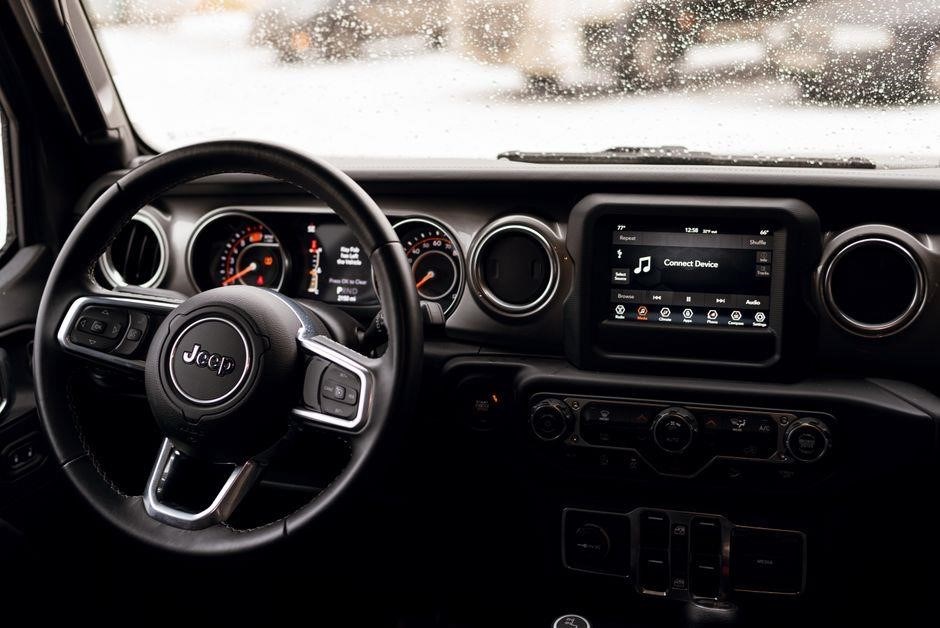
The wiring harness and control module must be compatible with the vehicle’s ECU, as the system must monitor the transmission state. Many manufacturers now provide factory‑approved remote‑start modules that include the necessary gear‑position logic, simplifying the process for owners who follow the instructions.
Installation complexity varies by make and model. Older vehicles may need a custom harness to tap the ignition switch and neutral‑gear indicator, while newer models often feature a dedicated “remote‑start” input through the body control module, simplifying wiring and ensuring compliance with safety standards.
Legally, most jurisdictions require a manual vehicle’s remote‑start system to include a fail‑safe that prevents engine start unless the transmission is in neutral. Failure to comply can result in a recall or denial of warranty coverage, so choose a certified kit with neutral‑gear detection circuitry. Installation also ensures battery health by limiting idle time and preventing excessive drain during remote starts. Systems tested now

Safety Considerations for Manual Remote Start
Remote start on manual cars demands a reservation mode that verifies neutral gear before ignition. The system must lock the engine if the transmission is engaged, preventing accidental start while driving. Battery monitoring and fail‑safe relays ensure safe operation, for all drivers. local safety laws now.!!
Reservation Mode Explained
Reservation mode is the core safety feature that allows a remote start system to work on a manual‑transmission vehicle. When the remote start command is issued, the system first checks the gear selector position through the vehicle’s transmission sensor. Only if the selector is in neutral does the relay energize the starter. If the car is in gear, the relay remains de‑energized and the engine will not crank. This check prevents the engine from starting while the vehicle is in motion or in a position that could cause a dangerous engagement. The mode also records the time of the last remote start and can be configured to require a second confirmation step, such as a key‑fob press or a PIN, before the starter is engaged. In addition, the system monitors the battery voltage and will refuse to start if the battery is below a safe threshold, protecting the electrical system from deep discharge. Once the engine is running, the reservation mode automatically disables the remote start button to avoid accidental re‑engagement. This combination of gear‑position verification, battery monitoring, and time‑based lockout ensures that the remote start process is only executed when the vehicle is truly in a safe state. By integrating these checks, manufacturers can offer the convenience of remote start while maintaining the safety standards required for manual‑transmission cars. The remote start system also includes a fail‑safe lock that disengages the starter relay if the vehicle’s ignition detects an abnormal voltage spike or if the driver presses brake pedal, preventing fast enginealloperationnow.
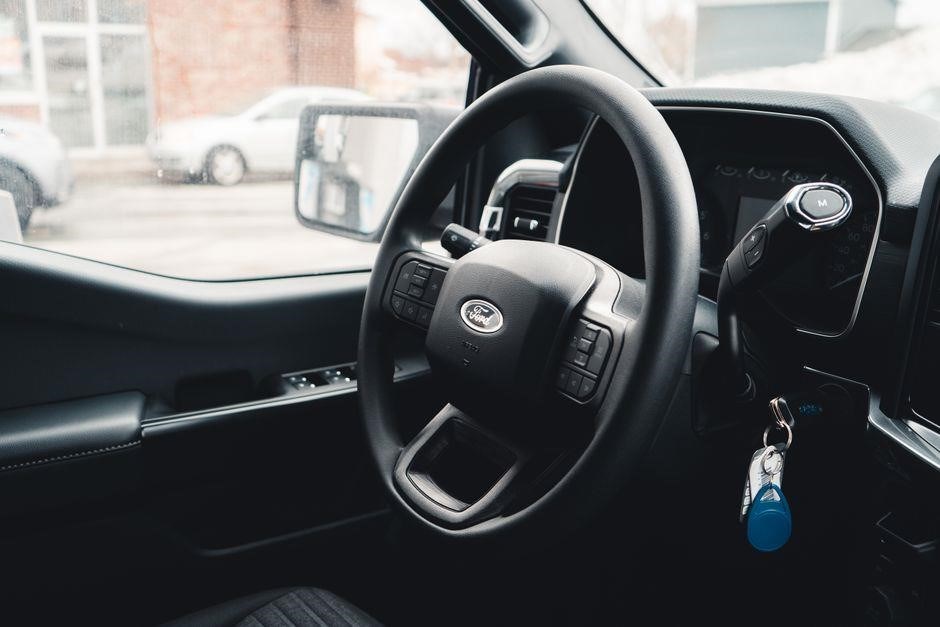
Ensuring Vehicle is in Park Before Starting
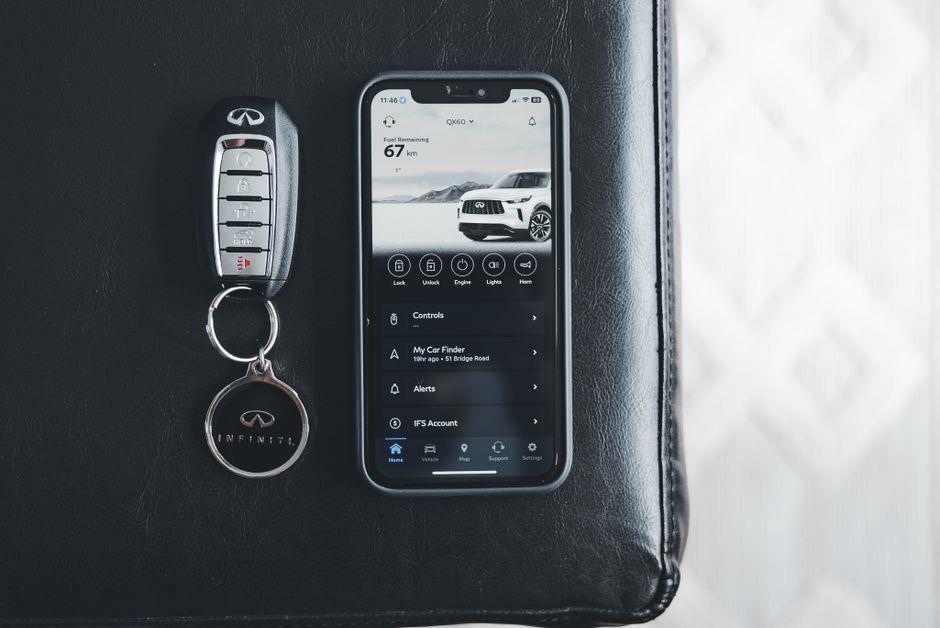
Before a remote start can be initiated on a manual‑transmission vehicle, the system must confirm that the gear selector is in a neutral position. This confirmation is performed by reading the transmission’s position sensor, which outputs a unique signal when the selector is in neutral. The remote‑start module cross‑checks this signal against a stored “neutral” code. If the code matches, the module proceeds to energize the starter relay; if not, the request is denied and the user is notified via the remote fob’s LED or the vehicle’s interior display. This neutral‑check is critical because a manual car can only be safely started when the transmission is disengaged from the drivetrain. In addition to the sensor check, the system also verifies that the brake pedal is depressed. The brake‑pedal switch is wired into the remote‑start control unit, and the relay will remain inactive until the switch is closed. Once both the neutral and brake conditions are satisfied, the module sends a 12‑volt pulse to the starter solenoid, which in turn cranks the engine. The pulse duration is calibrated to match the manufacturer’s recommended cranking time, ensuring that the engine receives enough power to start without over‑driving the starter. After the engine has begun running, the system automatically disables the remote‑start button for a short period to prevent accidental re‑engagement. If the vehicle’s battery voltage falls below a preset threshold, the module will refuse to start, protecting the battery from deep discharge. The entire sequence is designed to be fail‑safe, meaning that any abnormal reading—such as a missing neutral signal, an open brake switch, or a low battery—will abort the start attempt and alert the driver. This layered safety approach gives owners confidence that the remote‑start feature will only activate when the car is truly ready to run, thereby preserving the integrity of the manual drivetrain and preventing unintended movement during the start process. The system also logs each start attempt in the vehicle’s diagnostic memory, allowing technicians to review any anomalies. By following this protocol, owners can enjoy the convenience of remote start while maintaining the safety and reliability inherent to manual transmissions.

Technical Requirements for Remote Start in Manual Vehicles
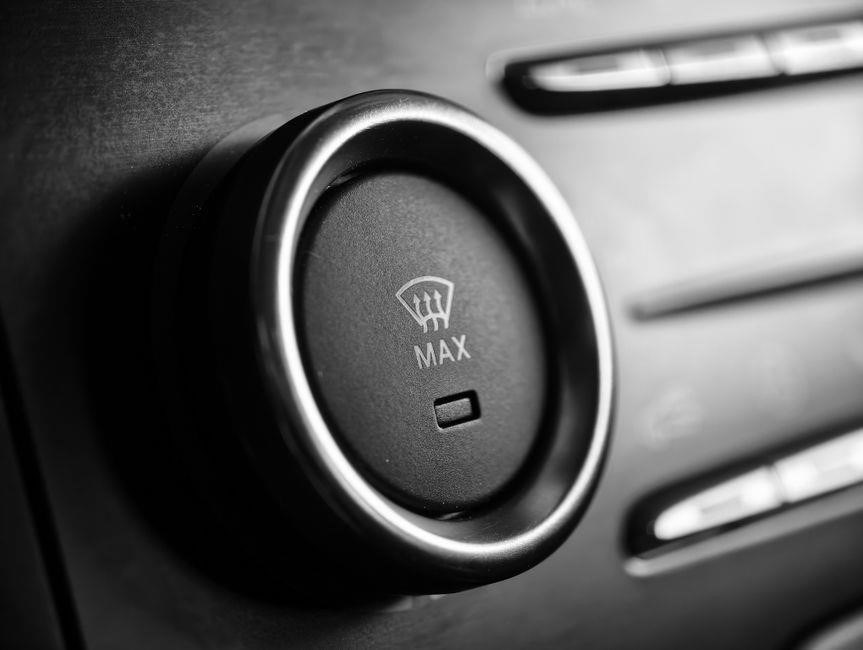
Engine start circuits must accept a relay pulse, gear‑sensor output must signal neutral, battery voltage must stay above 11.5 V, and a brake‑pedal switch must close. The starter module must interface with the car’s ECU and log events for safety.
Engine Start Circuit Compatibility
Engine start circuit compatibility is the cornerstone of any remote‑start installation on a manual vehicle. The starter module must be able to supply a 12‑volt pulse that mimics the factory ignition switch, and the vehicle’s ECU must accept this signal without triggering a fault. Most modern manuals use a 12‑V ignition coil that is activated by a 12‑V relay; the remote starter must tap into this relay or provide a dedicated relay that feeds the coil directly. In addition, the starter must be wired to the vehicle’s neutral‑sensing circuit so that the engine will only fire when the gearbox is in neutral. This prevents accidental starts while the car is in gear. The remote system must also respect the vehicle’s battery management system: if the battery voltage falls below a safe threshold (typically 11.5 V), the starter should refuse to fire to avoid draining the battery. Finally, the starter’s control module must be able to read the status of the brake‑pedal switch and the gear‑shift position sensor, ensuring that the car is both in neutral and the brake is applied before the engine starts. Proper integration of these circuits guarantees a reliable, safe remote start that behaves exactly like a conventional key‑in‑ignition start. This configuration also supports remote engine shutdown and provides diagnostic alerts through the vehicle’s onboard display, ensuring the driver remains informed about battery health and system status. Additionally, the starter’s firmware can be updated over the air, allowing improvements without updates.

Transmission Gear Position Sensors
Remote start on a manual vehicle hinges on the accurate detection of the gearbox’s position. Modern cars employ a neutral‑sensing switch or a Hall‑effect sensor that outputs a digital pulse whenever the shifter is in neutral. The remote starter’s control module queries this signal before energizing the starter relay. If the sensor reports a gear other than neutral, the starter is inhibited, preventing a dangerous start while the car is in gear. In either case, the remote system must be wired to the same diagnostic bus that the factory ECU monitors. This ensures that the remote start module receives real‑time updates on shift status and can also trigger a warning light if the car is not in neutral. Additionally, the sensor must be calibrated to ignore transient signals caused by rapid gear changes or shift‑lever vibrations. Many aftermarket kits include a built‑in neutral‑sensor module that replaces the factory unit, simplifying installation for vehicles that lack a dedicated neutral switch. Proper integration of the gear‑position sensor not only guarantees safety but also allows the remote system to support advanced features such as “reserve mode,” where the engine can be started remotely only after the driver has confirmed the car is stationary and in neutral. By ensuring the sensor’s reliability, installers can provide a seamless, secure remote‑start experience for manual‑transmission owners. Through the OBD‑II port, the starter’s firmware can be updated, enabling future upgrades like remote shutdown, smartphone control, or voice‑activated commands!
Battery and Power Management
Remote start systems draw significant current—typically 200–300 A for a few seconds—so the battery must sustain this load without dropping below the critical 12.5 V threshold. A 12‑volt, 70‑Ah or larger battery is recommended for most passenger cars, while larger SUVs or trucks may require 90‑Ah or more. The starter relay must be rated for the peak current, and the control module should include a low‑voltage cutoff that disables the relay if the battery voltage falls below 11.8 V, preventing a “dead‑start” scenario that could damage the alternator or starter. Modern remote starters often feature a built‑in battery monitor that reports state‑of‑charge via the vehicle’s CAN bus or a dedicated display. This allows the driver to see whether the battery can handle a remote start before the system engages. Additionally, many kits incorporate a “reserve mode” that delays the start until the engine has warmed up, reducing the strain on the battery during cold starts. Proper wiring also requires a dedicated 12‑V power feed from the ignition circuit, isolated from the 12‑V accessory bus to avoid unintended battery drain when the key is off. Finally, installers should verify that the alternator’s output can recharge the battery within the expected time after a remote start, especially in vehicles with high accessory loads. By managing power carefully, the remote start can operate safely and reliably on a manual transmission vehicle! Additionally, a dedicated 12‑V battery isolation circuit protects system from drain, ensuring reliability for years!
Installation Process Overview
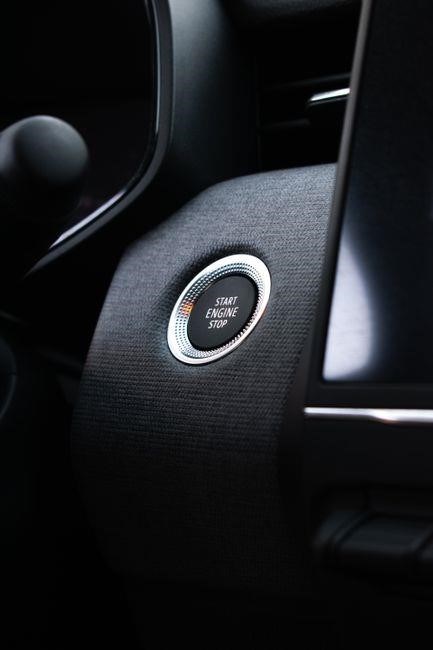
Installing a remote start on a manual transmission requires a compatible kit, locating ignition and starter terminals, wiring a relay to the neutral safety switch, and adding a reservation mode module. Grounding, fuse protection, programming ensure reliable operation safe
Choosing a Compatible Remote Starter Kit
When selecting a remote starter for a manual transmission, verify that the kit explicitly supports manual gearboxes. Look for models that include a reservation mode or neutral‑safety relay, ensuring the engine will only start when the shifter is in neutral. Compatibility lists on manufacturer sites should match your year, make, and model, and confirm that the starter relay can be wired to the existing ignition circuit without altering the factory wiring harness. Pay attention to battery requirements; many manual‑car kits demand a minimum 12‑volt output and may include a built‑in battery monitor to prevent draining. A robust 12‑V or 24‑V relay should be rated for the starter current, typically 200–300 amps, and the kit should provide a fuse or circuit breaker for protection. Check that the remote control unit supports a secure pairing protocol, such as rolling‑code encryption, to avoid unauthorized access. Some kits offer a smartphone app for remote status updates, but ensure the app is compatible with your vehicle’s OBD‑II interface. Finally, read user reviews and warranty terms; a reputable brand will offer at least a one‑year warranty on the starter module and a lifetime guarantee on the remote control. Proper kit selection guarantees a safe, reliable, and convenient remote start experience for manual‑transmission owners.
Additional considerations include firmware updates, keyless entry integration, and ensuring the relay can handle high‑performance engines! Daily wiring is for vehicles! Proper installation guarantees longevity and safety for the remote start system..
Wiring the Start Relay to the Manual Gearbox
To wire the start relay into a manual transmission, first locate the vehicle’s ignition switch and the neutral safety switch (or gear position sensor). Disconnect the battery to prevent accidental shorts. Identify the relay’s power input, normally a 12‑V source, and its output that will energize the starter solenoid. Use a heavy‑gauge wire (10‑AWG or thicker) to carry the high current from the relay to the starter. Connect the relay’s coil to the ignition switch’s “on” terminal, ensuring the relay only receives power when the key is in the ignition position. Next, tap the relay’s output to the starter solenoid’s positive terminal, and run a separate ground wire from the relay to the vehicle’s chassis. If the vehicle has a neutral safety switch, wire the relay’s coil to the switch’s output so the relay only activates when the shifter is in neutral. Use a fuse rated for the starter current (typically 200–300 A) in the line between the battery and the relay. Finally, route all wires neatly, secure them with zip ties, and re‑install the battery. Test the system by placing the shifter in neutral, turning the key to the ignition position, and pressing the remote start button; the engine should crank without engaging the clutch or gear. If the engine does not start, double‑check all connections, the relay’s polarity, and the neutral safety logic. Proper wiring ensures the remote start operates safely and reliably in a manual transmission vehicle. All wiring should be routed through the vehicle’s fuse panel and protected with heat‑shrink tubing to prevent corrosion electrical noise!!!

Practical Tips and Recommendations
When installing a remote start on a manual transmission, begin by selecting a kit that explicitly supports manual gearboxes; many manufacturers list this feature in the specifications. Verify that the kit’s relay logic includes a neutral‑safety check, as this prevents the engine from cranking while the shifter is in gear. Use a high‑grade, 10‑AWG or thicker wire for the starter circuit to handle the surge current, and install a fuse rated at least 200 A in the line between the battery and the relay. Route all wires through the fuse panel or a dedicated junction box, securing them with zip ties and protecting them with heat‑shrink tubing to avoid corrosion and electrical noise. Keep the remote start module’s antenna clear of metal panels to maintain signal strength, and test the system in a safe, open area before relying on it in traffic. For added safety, program the remote to lock the doors automatically after the engine starts, ensuring the vehicle remains secure. If your vehicle has a manual transmission lockout switch, integrate it into the relay logic so that the engine will not start unless the shifter is in neutral. Finally, document every connection in a wiring diagram for future maintenance, and consider having a professional confirm the installation if you are unsure about any step. These practices help guarantee reliable, safe operation of a remote start on a manual car. Additionally, monitor the battery’s state of charge; frequent remote starts can drain a 12‑V system if the alternator is weak or the battery is old. A battery monitor or a low‑voltage cutoff switch can prevent deep discharge. If you live in a region with extreme temperatures, consider installing a battery heater or a pre‑warm relay that activates the alternator before the engine starts, reducing wear on the starter. Use a remote start that offers a countdown timer; this allows you to see how long the engine will stay running before shutting off, which is useful for warming up or cooling the cabin. Some advanced kits provide a smartphone app, giving you real‑time status and the ability to trigger a “quick start” that bypasses the usual delay. Always read the manufacturer’s warranty terms; many remote start systems will void the vehicle’s warranty if the wiring is not performed according to the approved procedure. Finally, keep a spare key and a backup remote in the trunk; if the primary remote fails, you can still start the engine manually and then use the spare to finish the job!!. Remember to disconnect the battery during some wiring changes to avoid shorts or shocks! By following these guidelines, you can enjoy the convenience of remote start while maintaining the integrity of your manual transmission vehicle.